Lived Experience Blog
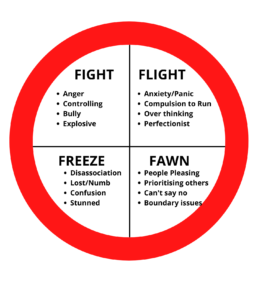
Why People-Pleasing isn’t Always Politeness
Most people don't wake up deciding to abandon themselves. They learn to do it over time-because it was safer to appease than to upset, easier to please than to risk rejection. This is called the fawn response. And it's not about kindness. It's about survival. The fawn response is a trauma-informed…

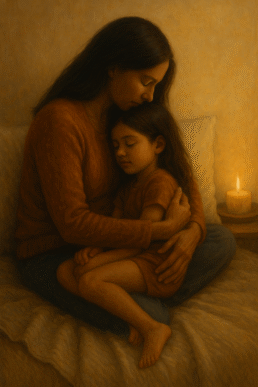
Abandonment: More Than Being Left Behind
There are some wounds we carry that don’t leave visible scars. Abandonment is one of them. It’s not always marked by a door slamming shut or someone walking away. Sometimes, it’s the quiet absence in a room full of people. The unanswered cry. The parent who was there in body, but unreachable in…
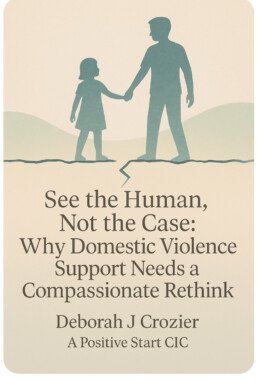
See the Human
Thirty years ago, I was a statistic. A survivor of domestic violence. A mother judged as too damaged to recover. A woman professionals expected would fail—and whose children were predicted to follow suit. They were wrong. Today, my children are thriving adults: graduates, home-owners, parents,…
IMG_9168
Real Safety - The Foundation of Healing “Feeling safe is the treatment, creating safety is the work.” – Dr. Stephen Porges We often hear the word safety in trauma-informed spaces. But what does it really mean to feel safe? And how do we know when it’s present—not just talked about or implied, but…
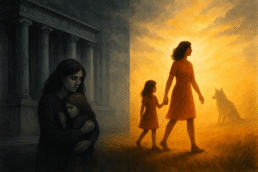
For All the Wrong Reasons: Why Lived Experience Matters in Family Court
People don’t enter relationships with someone they know to be violent. That assumption – “Well, you chose him” – is ludicrous and cruel. It’s victim-blaming disguised as wisdom. The truth is, perpetrators of violence and abuse don’t reveal their true selves at the start. What you meet is charm,…
The Dorsal Space: Where Suffering Lives – And Where We Can Begin Again
I’m not a neuroscientist. I don’t claim to have all the answers. But I know the dorsal space. I’ve lived there. I walk with others through it. And I believe it’s where the deepest suffering lives—quiet, hidden, and often misunderstood. There’s a space inside the…
Through Different Eyes: How Our Nervous System Shapes Our Reality
What seems like an overreaction might be a nervous system doing its best to protect! Same Room, Different Worlds Two people. One moment. Entirely different experiences. Have you ever been confused by how differently someone reacts to the same situation you just lived through? One person shrugs it…

Trauma-Informed Isn’t a Buzzword — It’s a Way of Being
“Trauma-informed” is everywhere these days — in policies, training packs, and job descriptions. But too often, what’s being sold as trauma-informed is little more than a performance: polished language, token gestures, and box-ticking exercises that fail to go beneath the surface. Let’s be clear.…

His Eyes Went Black!
Why survivors remember the eyes—and why it’s never just imagination There’s a moment I’ll never forget. I’d seen flashes of it before, but this time it was different - clearer. This time, it came with an eerie silence, a stillness that thickened the air around us. An abusive ex-partner —initially…
Nurture is the difference
Nurture Makes the Difference: What I’ve Learned About Home, Safety, and Connection I’ve always been able to feel the difference between a home that’s warm, welcoming and safe… and one that isn’t. Some homes feel like a deep exhale. Like you can take your shoes off, unclench your jaw, and finally…