APS Early Intervention Craving Pathway™
The APS Early Intervention Craving Pathway™ is a gentle, trauma-informed support pathway designed for adults who notice themselves relying on coping habits such as alcohol, cannabis, smoking, food, or other stress-related behaviours - before these patterns become entrenched or dependent.
Rather than focusing on behaviour itself, the pathway explores what the body and nervous system may be trying to manage underneath the urge to cope.
Cravings are often intelligent signals from the body. The can reflect stress, overwhelm, emotional load, or long-standing survival patterns that developed earlier in life. When people begin to understand these signals, change becomes more possible - and more compassionate.

Approaches used within the pathway
The pathway integrates:
+ Person-centred counselling principles
+ Nervous system education and mapping
+ Trauma-informed regulation strategies
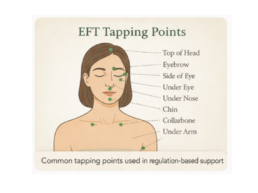
+ Structured tapping approaches informed by Clinical EFT research (including work by Peta Stapleton and Dawson Church)
+ Compassionate exploration of stress-related coping patterns
Together, these approaches support people to feel safer in their bodies before trying to change behaviour — because regulation makes change possible
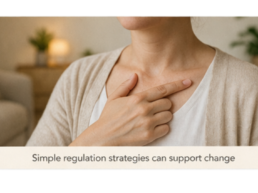

Many people notice themselves relying on coping habits such as alcohol, cannabis, smoking, food, or other behaviours during periods of stress or overwhelm. Often, support becomes available only once these patterns have become more established or difficult to change.
The APS Early Intervention Craving Pathway™ was developed to offer support earlier — at a stage where understanding the nervous system and stress responses can make change feel more possible and more compassionate.
The pathway is delivered across six structured themed sessions, providing a gentle, step-by-step process that builds understanding, regulation skills, and confidence over time.
This work forms part of my ongoing postgraduate study and supervised placement exploring early-intervention approaches to stress-related coping behaviours. It also reflects the direction of Scotland’s Mental Health and Wellbeing Strategy, which highlights the importance of accessible, community-based support that helps prevent difficulties from escalating.
How the pathway works
The pathway offers a structured early-support process that helps people:
+ Understand what cravings are communicating
+ Recognise nervous system activations and stress responses
+ Reduce the intensity of urges using practical regulation techniques
+ Explore patterns that sit underneath coping behaviours
+ Strengthen confidence in their own capacity to respond differently
+ Develop sustainable alternatives that feel manageable in everyday life
Support is educational, relational, and practical. It does not require a diagnosis and does not replace specialist treatment when needed. Instead, it creates space for earlier understanding and prevention.
A preventative and strengths-based approach
Many services begin once difficulties have already become severe. The APS Early Intervention Craving Pathway™ was created to offer support earlier, when change is often easier and more sustainable.
The aim is not to take anything away from people, but to help them understand what their system needs — and to expand their choices.
Early understanding can prevent longer-term difficulties and support lasting wellbeing
My Introduction to EFT and Tapping
Who the pathway is for
This pathway may be helpful if you:
+ Feel you rely on something to “take the edge off”
+ Notice stress increasing your urges to cope
+ Want support before habits become harder to shift
+ Are already receiving well-being support
+ Would benefit from additional regulation tools
+ Are looking for a preventative or early-intervention approach
No prior experience of therapy is needed.