Blog
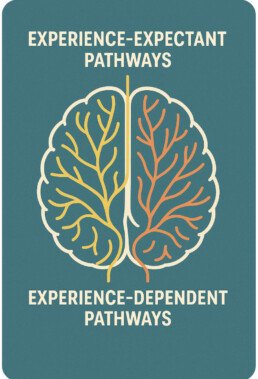
The Stories We Tell Ourselves: Neural Pathways, Trauma, and Self-Worth
From the moment we are born, our brains are wired with remarkable potential. Dr. Dan Siegel’s Interpersonal Neurobiology reminds us that human beings develop through two kinds of neural pathways: Experience-Expectant Pathways These are the “hardwired” pathways we are born with, designed to expect…

STAND: Parents as Protectors – A Journey of Awareness, Not Blame
Parenting in today’s world can feel overwhelming. We’re constantly juggling everyday responsibilities while trying to keep our children safe in a world that doesn’t always feel safe. That’s why we created STAND: Parents as Protectors — a free, online, self-paced program for parents, caregivers, and…
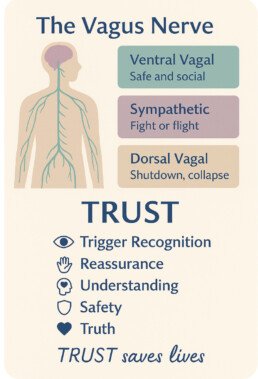
Through the Lens of the Dorsal Space
Through the Lens of the Dorsal Space: Why Forcing ‘Motivation’ Can Harm, Not Help When you’re in the dorsal space, you can see life happening around you — people laughing, planning, dreaming — but it’s like watching it all through thick, soundproof glass. You can see their joy, but it doesn’t touch…
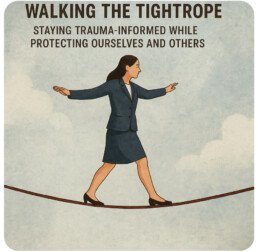
Walking the Tightrope: Staying Trauma-Informed While Protecting Ourselves and Others
Remaining trauma-informed while protecting both ourselves and those who rely on us for support can feel like walking a tightrope. It’s a precarious balance of boundary-setting and self-awareness, and it’s not always clear where one ends and the other begins. Even when we take care to make decisions…

Under the Skin: What the Rise of Cosmetic Surgery Says About Self-Worth
You don’t have to look far to see it. Scrolling through social media, watching a reality show, or even chatting with friends, it’s become normal to hear, “I’m just getting a little tweak,” as casually as if they’d said, “I’m getting my hair done.” Cosmetic procedures — from injectables to full…
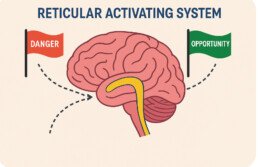
From Danger Detector to Joy Seeker: How the Reticular Activating System Shapes Our Focus
The Reticular Activating System (RAS) is a network in the brainstem that acts like a filter. Every second, it processes millions of bits of sensory data — but it only lets through what matches your current focus or beliefs. If you’ve ever noticed a certain car model everywhere after thinking about…
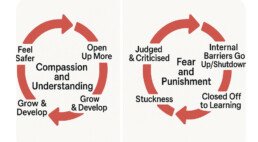
Why Compassion, Empathy and Kindness Are the Foundations of Healing
When we meet someone who is struggling — whether with trauma, neurodivergence, or life’s many challenges — the way we respond matters. Compassion, empathy, and kindness create safety. Judgement, criticism, and harshness create fear. When we feel judged or criticised, our internal defences activate.…
The Distance Travelled
I remember sitting in my home with nothing. No money. No bank account. No reserves. My abuser had beaten me and squeezed my jaw so hard it was almost broken — all to force me to hand over my benefits. Two weeks’ worth of income for me and my child, gone in an instant. The electricity had run out on…
The Illusion of Inclusion: When Trauma-Informed Practice Misses the Mark
In recent years, the phrase “trauma-informed” has become widespread across services—from schools to healthcare to local authorities. On paper, this is a welcome shift. It signals a growing awareness that trauma shapes behaviour, that safety matters, and that healing requires more than just…
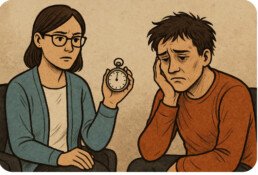
Time-Limited Therapy and the Myth of Quick Healing
Time limits make sense in many areas of life. But not in healing. Not in therapy. And certainly not when we’re working with complex trauma. Too often, I meet people who have been offered six or eight sessions of therapy — sometimes as little as a single hour per week — and then expected to “pick up…